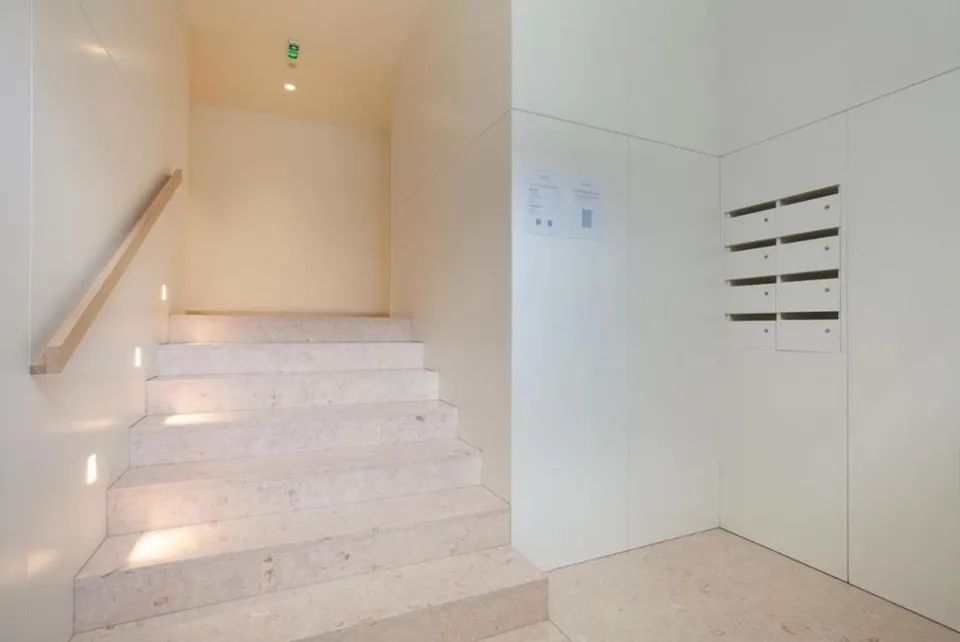
The stairs are supposed to be cleaned twice a week, but you're fairly sure it's only once. The lift stopped on a Friday and the technician didn't come until Tuesday. The garage door has been waiting for a part since September.
Most owners have a story like this, but very few have seen the contract behind it. What did the cleaning company actually promise? Is there a response time for the lift? And who pays for the part?
Every month your building pays a lift company, a cleaning company and a handful of smaller suppliers, and together they make up a large part of your condominium fees. Keeping them to their word is the administrator's job, but in practice it's often the part of the job that gets dropped. These are the problems we come across most.
The supplier doesn't do what was agreed
This is the most common problem, and the hardest one for owners to prove. The cleaners skip a day, or the lift technician signs the logbook but leaves out half the checks in the contract. Because nobody holds the service up against the contract, nobody notices. Owners complain to the administrator, the administrator calls the supplier, nothing is put in writing, and six months later the contract renews as if nothing happened.
An administrator who takes this seriously knows what each supplier has to do and checks it when they're in the building. Complaints go to the supplier in writing, and if the problem keeps coming back, they ask for a discount, refuse to pay for work that wasn't done, or look for someone else.
What was agreed isn't enough for the building
Sometimes the supplier does exactly what the contract says, and that's the problem. Many contracts were signed years ago, often by a previous administrator, and nobody has checked whether they still fit the building. A lift contract may cover the routine visits but not parts or call-outs, so every breakdown comes with an extra invoice. A cleaning contract may cover the stairs but not the garage. And often there's no response time at all: the contract says the supplier will repair, but not when.
A cheap contract that covers too little can easily cost more by December than a better one would have. Look at what was billed outside the contracts last year, because that number usually shows where the gaps are.
Some equipment has no maintenance contract at all
The lift nearly always has a maintenance contract, but the rest of the building often doesn't. The garage door, the water pumps, the gate motor and the fire extinguishers are left alone until they stop working. That's when it gets expensive. A pump is replaced in a hurry at whatever price the first available company asks, a garage door that's never serviced keeps breaking down, and sometimes a failure causes damage elsewhere, like a flooded basement.
Ask your administrator which equipment the building has and when each item was last serviced. If nobody knows, that tells you enough. Where there's no contract, a good administrator proposes one and shows the owners what regular maintenance would cost next to what the breakdowns have cost so far.
Nobody knows what was signed, or when it renews
Ask in your building when the lift contract ends or how much notice you have to give. In many buildings nobody can tell you, sometimes not even the administrator, because the previous one never handed the contract over. Meanwhile most service contracts renew on their own, and some lift contracts need months of notice, so the moment to cancel often passes without anyone noticing.
The fix isn't complicated. The administrator keeps a list of every contract, with its price, scope, end date and notice period, and puts the dates in a calendar. A few months before a renewal, they check whether the contract still makes sense. If it doesn't, they ask other suppliers to quote on the same specification, so the offers can actually be compared.
Not sure what your building's contracts cover? Send us a message through our contact form and we'll tell you what to ask your administrator for.
What you can do now
You don't have to wait for the annual meeting. Ask your administrator in writing for the list of the building's contracts, with the price, scope, end date and notice period of each, and ask which equipment has no maintenance contract. If the answer is vague, or doesn't come, ask for "review of supplier contracts" to be put on the agenda of the next meeting.
And if nobody has looked at the contracts in years, that says something about the administration too. The annual meeting is the moment to change administrator.
How we handle suppliers at Sansa
When we take over a building, we ask the previous administrator for all the contracts and go through them ourselves: price, scope, term and notice period. In the first month we also check the inspection and maintenance dates of the equipment, and where something has no maintenance contract, we propose one.
After that, we check the work against the contract during our monthly visits, and we review each contract before it renews. No supplier is paid without an owner's approval.
Want a proposal for your building? Send us the address and the number of units (frações), and we'll send you a no-obligation proposal. Request a proposal